


Chickens, Info Guides, Rats
How to Create a Rat-Proof Chicken Coop
Feb
 ChatGPT
 Claude
 Perplexity
 Grok
Grok
 Google AI
 You
You
 WhatsApp
 LinkedIn
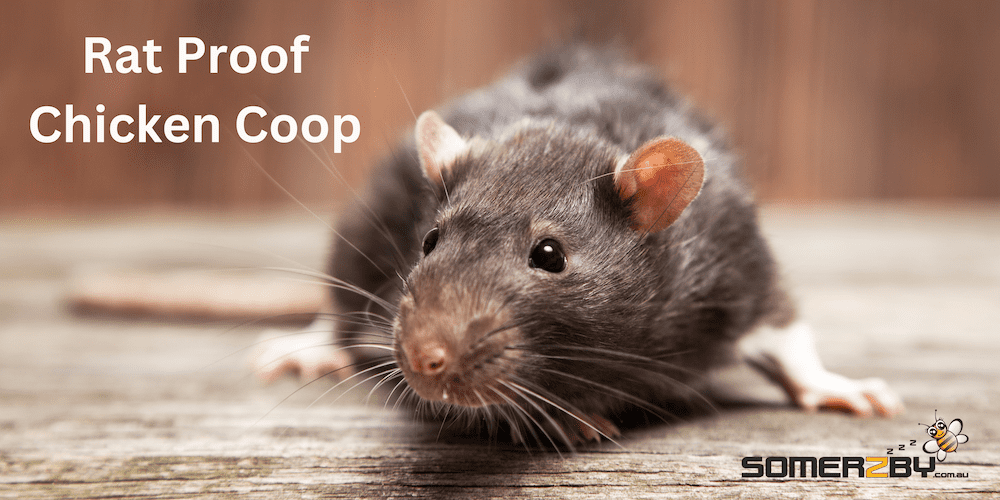
If you keep backyard chickens, there’s one uninvited guest you definitely don’t want lurking around: the rat. Crafty, persistent and surprisingly destructive, rats are one of the most common problems chicken keepers face, and once they move in, they’re very hard to evict.
The good news is that with the right setup and a few smart habits, you can rat-proof your chicken coop and keep your flock safe, healthy, and stress-free.
In this guide, we’ll cover everything you need to know: why rats are drawn to chicken coops, the risks they pose to your chickens, and the most effective ways to prevent and get rid of them for good. By the time you’ve put our tips into practice, the rats won’t stand a chance!
Key Takeaways
- Rats are intelligent, persistent pests that are highly attracted to chicken coops because they provide easy access to food, water and shelter.
- Rats can spread disease, damage your coop, steal eggs, attack chicks and attract larger predators, making them a serious threat to your flock.
- Keeping your coop clean, storing feed securely, removing food scraps and investing in a well-built coop with strong wire mesh are the best ways to stop rats before they become a problem.
- If rats have already moved in, act quickly by setting traps safely and removing anything that continues to attract them.
- Standard chicken wire often has gaps that are too large to stop rats, so it’s important to choose a coop with strong, high-quality wire mesh like the galvanised mesh used on all Somerzby chicken coops.
Know Your Enemy: Understanding Rat Behaviour
Before you can outsmart a rat, it helps to understand how they think. Rats are actually remarkably intelligent, social creatures with impressive memories. They can recall pathways, recognise faces and navigate complex environments with ease. They’re also incredibly resourceful and can survive much longer than most animals without consistent sources of food and water.
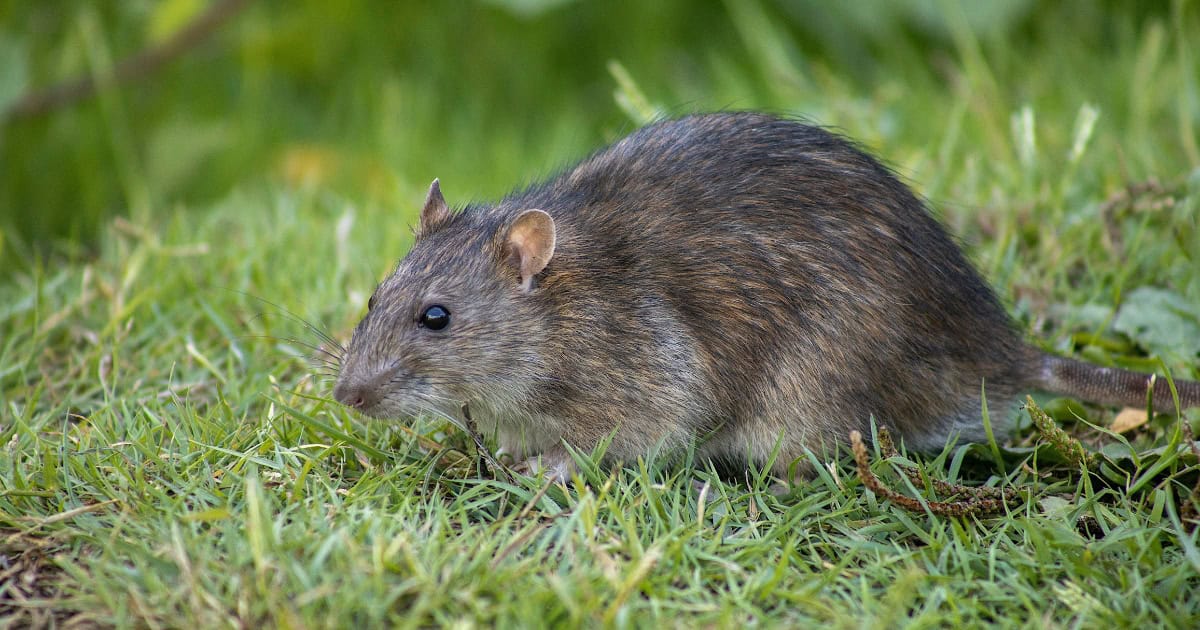
In Australia, the two most common introduced species causing problems for backyard chicken keepers are the Black Rat and the Brown Rat. The native Australian Bush Rat, on the other hand, typically avoids residential areas. So, if you spot a rat in or near your chicken coop, chances are it’s one of these two usual suspects.
Mice are also a common nuisance around chicken coops, though they pose a somewhat smaller risk than their larger relatives. Most of the prevention tips in this guide will work to deter both rats and mice, so you’ll be covering all your bases.

Why Rats Love Chicken Coops & Why That’s a Big Problem
There are three things rats are always on the lookout for: food, water and shelter. Your chicken coop offers all three in abundance, which is exactly why it’s such an attractive destination for hungry rodents.
Chicken feed is easy pickings. Between feed spills, scatter feeding and uncovered feeders, rats often have access to a near-constant food source. Water sources from chicken drinkers provide the hydration they need. Finally, the warmth and cover of a chicken coop make a perfect nesting spot, especially in the cooler months.
But rats aren’t just annoying; they’re dangerous to your flock. Here’s why a rat problem should never be ignored:
- They eat your eggs: Rats will raid nesting boxes and eat eggs, which means fewer eggs for you and a disrupted laying cycle for your hens.
- They attack baby chicks: While adult chickens are usually too large for rats to target directly, baby chicks are vulnerable to rat attacks.
- They attract other predators: Rats draw in larger predators like snakes, goannas, cats and birds of prey, and once those predators arrive at your coop, they won’t just settle for the rodents.
- They damage your coop: Rats gnaw on timber and other materials, which can compromise the structural integrity of your chicken coop over time.
- They eat your chicken feed: This is a drain on your money and negatively affects your hens’ health.
- They carry diseases and parasites: Rats can spread harmful bacteria like salmonella, as well as fleas, lice, mites and other nasty diseases that can quickly take hold in your flock.
- They make everything smell terrible: Rat urine is extremely pungent and can make conditions in and around your chicken coop very unpleasant, very quickly.
The presence of rats also causes significant stress among chickens. Stressed birds may peck at each other, eat less and lay fewer eggs, none of which is good for your flock’s health or your egg basket.
How to Prevent Rats in Your Chicken Coop
One of your biggest fears as a chicken keeper is a rodent infestation in your coop. While rats are stubborn pests that can be hard to eliminate, there’s plenty you can do to make your setup far less appealing to them. Prevention is always better than cure, so here’s where to start.
Use a Treadle Feeder
One of the most effective ways to rat-proof your feeding setup is to use an automatic treadle chicken feeder. These rat-proof chicken feeders have a closed lid that only opens when a chicken steps on the treadle. Rats aren’t heavy enough to trigger the mechanism, and even if they were, they can’t access the food inside while standing on the treadle. It’s a simple, effective solution that also reduces spilled feed on the ground.
A treadle feeder also means you can give your chickens access to food throughout the day without worrying about overnight visitors helping themselves.

Remove Scraps and Spilled Feed Each Evening
Rats are most active after sunset, so it’s essential to remove any spilled feed or uneaten scraps from the coop floor each afternoon before dark. Rats can smell food sources from surprisingly far away, and even a small amount of uneaten scraps can draw them in.
It’s not just chicken food they’re after, either. Dog and cat food left outside, or even bird feeders, can attract rats to your yard. Make a habit of putting away all pet food after dark and keep outdoor feeding areas clean and tidy.
Store Chicken Feed in Secure Containers
Proper food storage is one of the most important things you can do to prevent rats from taking up residence near your coop. Store chicken feed in a secure, rodent-proof container with an airtight lid. A metal container is ideal, as rats can easily chew through plastic bags and cardboard boxes.
Never leave feed bags lying around, and consider elevating storage containers off the ground or keeping them in a shed or garage whenever possible. This removes one of the main food sources that draws rats to your property in the first place.
Collect Eggs Daily
Making a daily habit of collecting eggs from your nesting boxes is a small but important step in keeping rats at bay. Eggs are a highly attractive food source for rats, and leaving them in the coop overnight significantly increases the risk of a visit. A quick egg run each afternoon takes just a few minutes but can make a big difference to your flock’s safety.
Manage Your Compost Heap
Composting is a fantastic way to reduce food waste, but compost heaps can also act as a buffet for rats, who will eat almost anything. Compost bins also provide warm, sheltered nesting opportunities. If you have a compost heap near your chicken coop, make sure it has a secure, sealed lid with no gaps that rats could squeeze through. Turn it regularly, hose it down with water to discourage nesting, and avoid adding cooked food. The whiff of your leftover meals is especially attractive to rodents!
Keep Grass and Surroundings Tidy
Rats love hiding in long grass and dense shrubbery, where they feel safe from predators. Regularly trimming the grass and vegetation around your chicken coop removes their cover, which makes the area less inviting. Keep the coop surroundings free of rubbish, unused equipment, and anything else that rats could nest in or under.
Invest in a High-Quality, Rat-Proof Coop
Ultimately, the best defence against rats is housing your chickens in a secure, well-built chicken coop. Here’s what to look for:
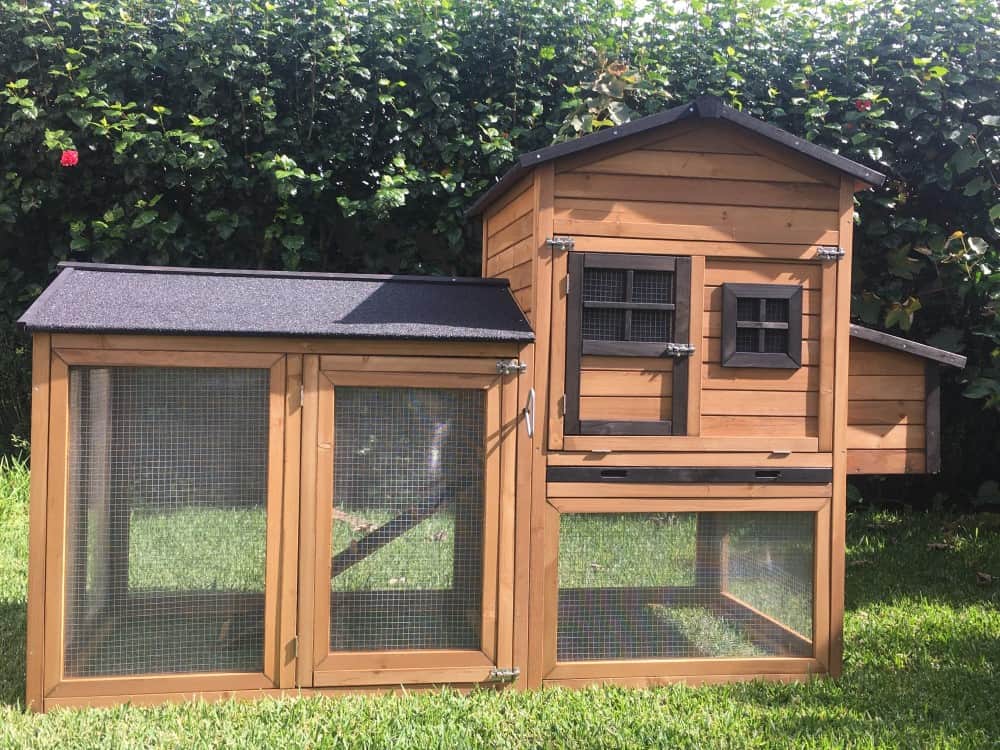
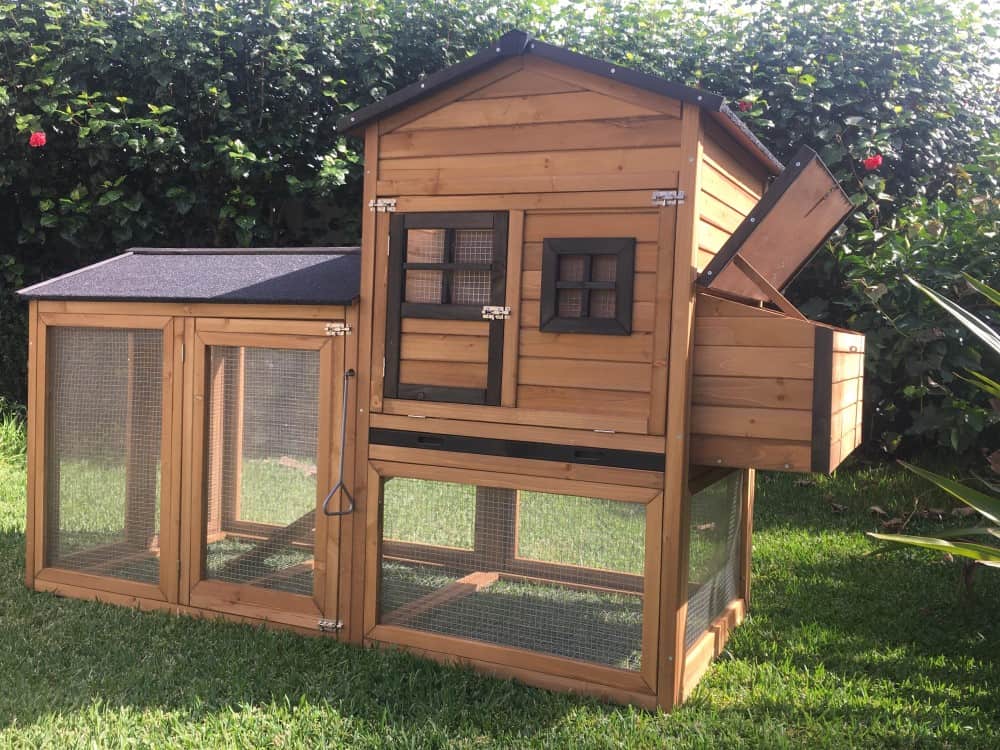
- Galvanised wire mesh on all sides, with holes no larger than 11mm x 11mm, small enough that rats can’t squeeze through
- Wire that’s at least 0.9mm thick, which rats cannot chew through or break
- A wire mesh floor if your coop sits on grass or dirt, as rats can dig their way in from underneath
- Solid, rot-resistant timber, since rotting wood is much easier for rats to break through
- Secure latches on all doors and access points
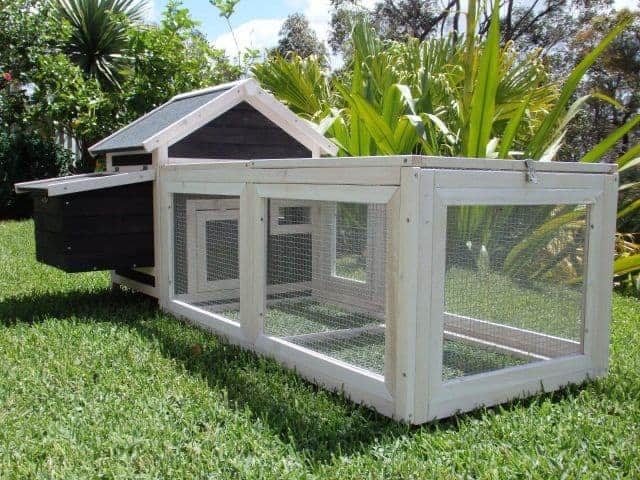
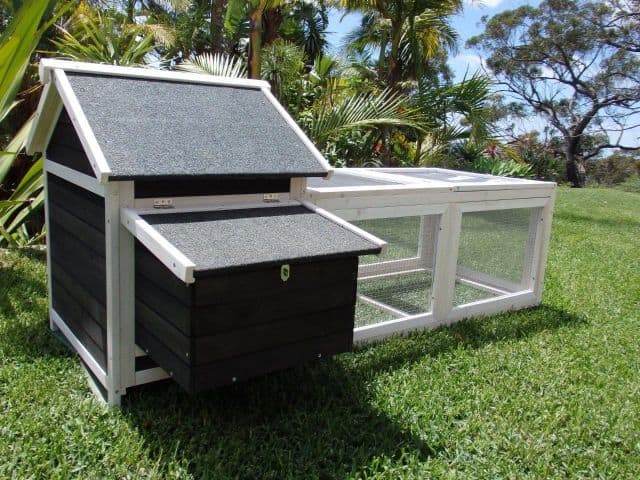
All Somerzby Chicken Coops are designed with these principles in mind, featuring high-quality galvanised wire mesh with 11mm x 11mm holes that keep rats and mice out.
If you’re looking for the ultimate rat-proof chicken coop, the Somerzby Deluxe Mansion is our top pick. It comes with wire mesh on the floor, making it impossible for rats to dig their way in from underneath. It also provides an extra level of chicken coop protection against predators like snakes and foxes, even on uneven ground.
All Products
All Products
How to Get Rid of Rats Already in Your Coop
If you suspect rats have already moved into your chicken coop or backyard, it’s important to act quickly. The longer you wait, the harder it becomes to get rid of them, and rat populations grow fast.
Check for Signs of a Rat Infestation
Knowing what to look for is the first step. Regularly inspect your chicken coop and surrounding area for these telltale signs:
- Rat droppings near the coop, feeders or nesting boxes
- Gnawed timber or wire on the coop structure
- Rat footprints in dust or mud
- Missing or broken eggs
- Scurrying noises, especially at night
- A strong, pungent smell of rat urine
If you spot even one rat, it’s safe to assume there are many more you haven’t seen. A rat problem rarely involves just one rat; they’re highly social animals that tend to move in groups.
Set Traps
Rat traps are one of the most reliable ways to tackle an infestation. Snap traps are highly effective and fast-acting, while humane traps allow you to catch and relocate rats without killing them. Avoid old-fashioned glue traps, which are considered inhumane and stressful for the animal.
Always place traps outside the chicken run, where your hens, chicks and other pets cannot access them. Check and empty traps daily, as dead rats decompose quickly and the smell can attract other pests.
Get a Cat
A resident cat is one of the oldest and most effective ways to deter rats from making themselves at home in your backyard. Cats are natural hunters, and their presence alone (including their scent) can be enough to discourage rats from visiting. Just make sure your cat can’t get into the chicken run itself!
Use Poison as a Last Resort
Rat poison can be effective, but it should only be used as a last resort and with extreme caution around chickens. If a poisoned rodent is eaten by one of your chickens or another pet, the poison can affect them too (known as secondary poisoning).
Even if bait is placed in an area chickens can’t reach, a dying rat may crawl into the run. If you do use poison, choose bait stations designed to keep the bait inaccessible to other animals, and monitor the situation closely.
Will Chicken Wire Stop Rats?
Not all chicken wire is rat-proof, and standard chicken wire with large hexagonal holes is often not sufficient to keep rats out. Rats can squeeze through surprisingly small gaps, so wire mesh with larger holes won’t provide reliable protection.
For a truly rat-proof chicken coop, use galvanised hardware cloth or wire mesh with holes no larger than 11mm x 11mm. It should also be at least 0.9mm thick so that rats can’t chew through it over time.
If you have an older coop, check for any gaps or cracks and patch them with gnaw-proof hardware cloth rather than softer materials like netting or plastic sheeting, which rats can easily break through.
All Somerzby coops come with wire mesh on the sides that meets these standards, giving your flock the protection they deserve from day one.
Can Rats Dig?
Rats are excellent diggers and can create underground burrows surprisingly quickly. If your chicken coop is placed directly on soft soil, rats may try to tunnel underneath to gain access to food, eggs or shelter.
One of the best ways to prevent this is by installing wire mesh underneath the coop or run to create a barrier they can’t dig through. To keep your chickens comfortable, cover the mesh with a layer of soil, sand or bedding so they are not walking directly on the wire all day.
Toni’s Wrap
Keeping rats out of your chicken coop isn’t complicated, but it does call for some reliable habits. Remove the food sources, seal up the entry points, keep things clean and tidy, and invest in a well-built, secure coop, and you’ll be well ahead of most rat problems before they even start.
If you’re looking for a chicken coop designed with your flock’s safety in mind, explore Somerzby’s full range of chicken coops and runs. Designed by backyard chicken keepers, our coops are built with strong wire mesh and practical features to help protect chickens from rats and other unwanted visitors. Because a secure coop means happier, healthier chickens.
Related Blogs